



The Canadian Conservative Party is currently grappling with a significant challenge: distancing itself from associations with right-wing American politics, particularly the brand epitomized by former U.S. President Donald Trump. This association has been further complicated by Trump’s provocative suggestions that Canada should become the 51st U.S. state, a notion that has ignited a surge of patriotism among Canadians and bolstered support for the Liberal Party.

Trump’s Provocations and Canadian Nationalism
In late 2024, Trump proposed that Canada consider joining the United States as its 51st state, a suggestion that was initially dismissed as a joke but later taken more seriously due to his persistent rhetoric. He argued that such a move would lead to lower taxes and better military protection for Canadians. These comments, coupled with threats of imposing high tariffs on Canadian imports, have been perceived as affronts to Canada’s sovereignty. In response, Canadians have exhibited a renewed sense of nationalism, with public displays of solidarity and a rallying cry to protect their nation’s independence.
Impact on the Conservative Party
The Conservative Party, under the leadership of Pierre Poilievre, has faced scrutiny over perceived ideological similarities with Trump’s brand of politics. Poilievre’s populist rhetoric and policy positions have drawn comparisons to Trump, leading to concerns that the party is aligning too closely with American right-wing ideologies. This perception poses a risk of alienating moderate voters who are wary of such associations.
Liberal Party’s Resurgence
Conversely, the Liberal Party, despite internal challenges and the recent resignation of Prime Minister Justin Trudeau, has experienced a resurgence in support. Trump’s annexation comments have inadvertently strengthened the Liberals, as they position themselves as defenders of Canadian sovereignty against external pressures. This patriotic sentiment has translated into increased support for the party, as many Canadians view the Liberals as better equipped to uphold national interests in the face of U.S. provocations.
Conservative Party’s Strategic Dilemma
The Conservative Party now faces a strategic dilemma: how to appeal to its base, which may appreciate certain aspects of Trump’s policies, while also reaching out to centrist voters who are uncomfortable with American-style right-wing politics. This balancing act is crucial, as the party seeks to broaden its appeal without compromising its core principles.
The association with American right-wing politics presents a complex challenge for the Canadian Conservative Party. As Trump’s comments continue to stir nationalist sentiments, the party must carefully navigate its political strategy to avoid alienating voters who are increasingly rallying around the Liberal Party in defense of Canadian sovereignty.
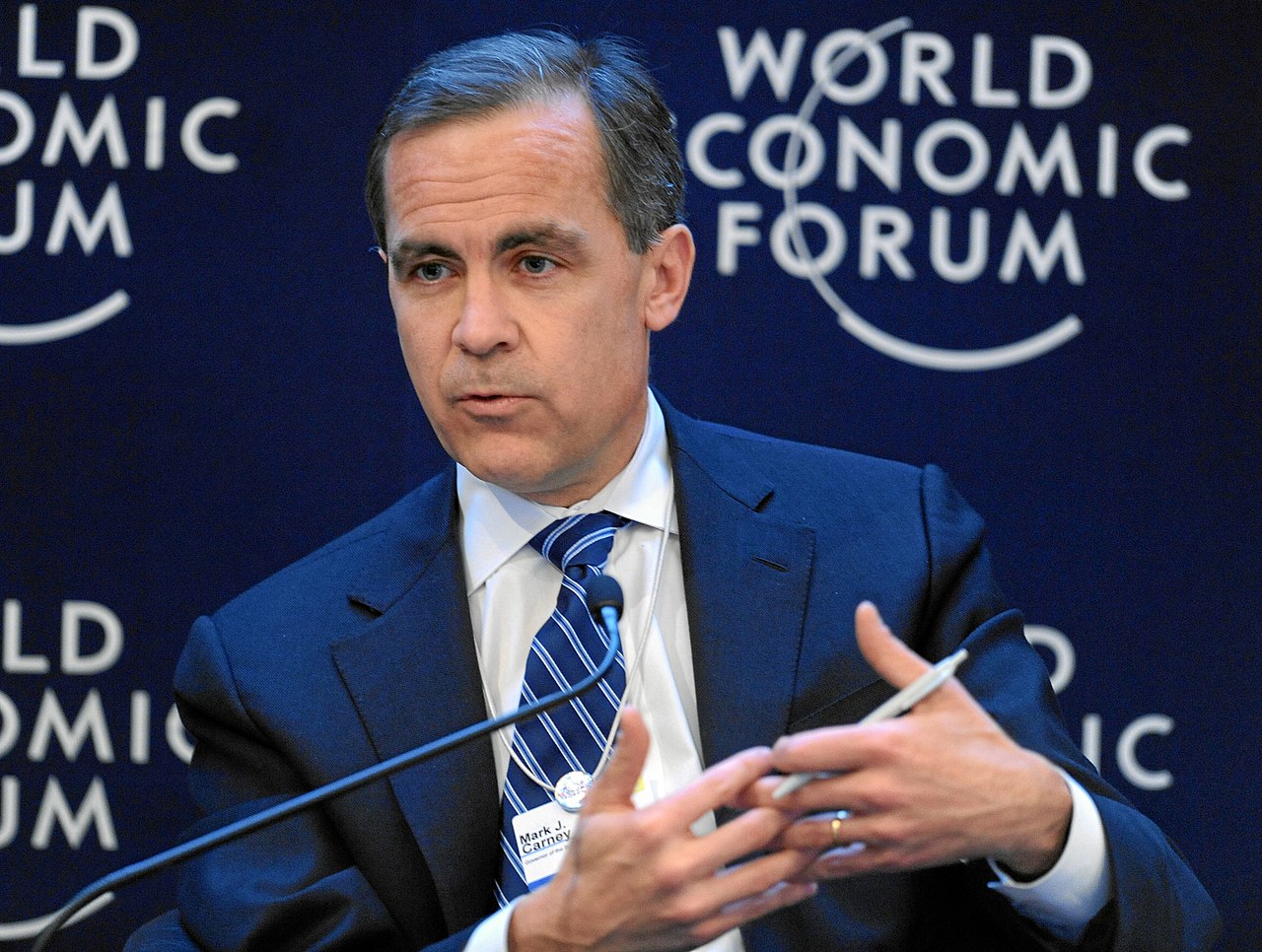
In the evolving landscape of the Liberal Party’s leadership race, Mark Carney has rapidly emerged as a formidable contender, positioning himself as the candidate best equipped to challenge Pierre Poilievre and the Conservative Party in the forthcoming federal election.
Carney’s Ascendancy in the Leadership Race
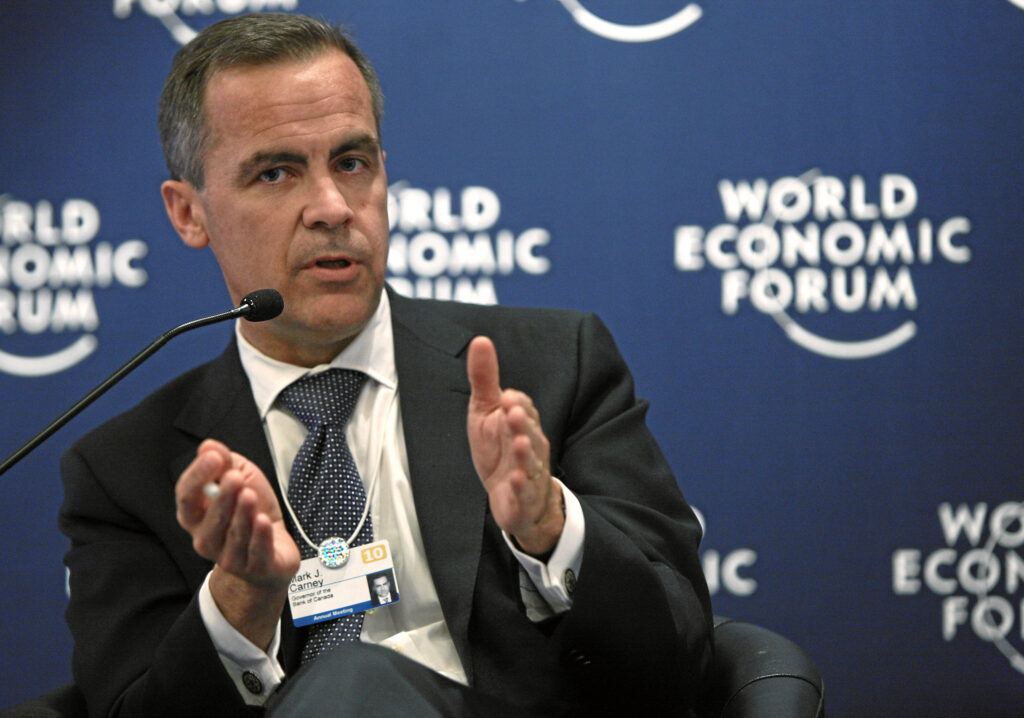
Mark Carney, renowned for his tenure as the Governor of both the Bank of Canada and the Bank of England, declared his candidacy for the Liberal leadership on January 16, 2025. His campaign has swiftly gained momentum, attracting endorsements from key party figures and generating significant media attention. Carney’s extensive experience in global finance and his outsider status in political circles have contributed to his appeal among party members seeking a fresh perspective.
Public Perception and Electability
Recent polls indicate that Carney’s leadership could significantly bolster the Liberal Party’s standing against the Conservatives. A Leger survey suggests that with Carney at the helm, Liberal support would rise by six points to 37%, placing them in a dead heat with the Conservatives.
Additionally, a Nanos Research survey reveals that Canadians prefer Carney over Poilievre to negotiate with U.S. President Donald Trump, underscoring his perceived competence in handling international relations.
Strategic Positioning Against Poilievre
Carney’s outsider status allows him to present a narrative of renewal and change, contrasting with Poilievre’s established political career. His economic expertise and international experience position him as a credible alternative to address both domestic and global challenges. This strategic positioning enhances his appeal to voters seeking effective leadership in navigating complex economic and diplomatic landscapes.
Liberal Surge
As the Liberal Party’s leadership race progresses, Mark Carney’s rapid ascent underscores his potential to unify the party and present a compelling challenge to Pierre Poilievre and the Conservatives. His unique blend of financial acumen, international experience, and outsider perspective resonates with a Canadian electorate eager for competent and visionary leadership.
Conservative Strategy
The Canadian Conservative Party faces a significant challenge as it navigates the shifting political landscape, particularly in light of the recent surge in support for the Liberal Party. Donald Trump’s provocative comments about making Canada the 51st U.S. state have triggered a wave of nationalist sentiment among Canadians, strengthening the Liberals as defenders of sovereignty. For Pierre Poilievre and his party, the key to countering this shift lies in recalibrating their strategy to appeal to both their base and the broader electorate without being perceived as aligned with American-style right-wing populism.
One of the most immediate challenges for Poilievre is to distance himself from the perception that his leadership mirrors Trump’s politics. His populist rhetoric has drawn comparisons to the former U.S. president, and while this has energized parts of his base, it risks alienating centrist voters. To counter this, Poilievre should make a clear and public rejection of Trump’s comments about annexing Canada while reinforcing the idea that his brand of conservatism is uniquely Canadian. A strong statement emphasizing Canada’s sovereignty and rejecting U.S. political influence could help reassure voters who fear the party is drifting too far toward American-style extremism. He should also emphasize pragmatism over ideology, avoiding positions that may seem too radical, particularly on issues like climate change, social policy, and government intervention.
At the same time, Poilievre must double down on his core economic message, which has resonated strongly with younger, working-class Canadians. His focus on the cost-of-living crisis, inflation, and affordability has been one of his strongest assets, and refining this message to offer concrete solutions will be key. A clear plan on housing affordability, zoning reforms, and targeted tax relief for middle-class Canadians could reinforce his credibility. Instead of simply attacking Liberal policies, he needs to present a compelling vision that differentiates his party as the better alternative for economic recovery. Additionally, by framing himself as a leader who understands ordinary Canadians, he can contrast his approach with Mark Carney, a former central banker whose technocratic background may make him appear out of touch with working-class concerns.
Carney’s rise in the Liberal leadership race presents another challenge for the Conservatives. As an outsider, Carney has been able to present himself as a fresh alternative to the traditional Liberal establishment, and his background in global finance has boosted his credibility in handling economic issues. To counter this, Poilievre should emphasize that Carney has never held elected office and portray him as an unelected bureaucrat with ties to international financial elites rather than someone who understands the struggles of everyday Canadians. Framing Carney as a continuation of Trudeau-era Liberalism, rather than a change agent, could help neutralize his outsider appeal.
Beyond the economic debate, the Conservatives must ensure they do not cede the patriotic narrative entirely to the Liberals. Trump’s comments have allowed the Liberals to position themselves as the natural defenders of Canada’s sovereignty, but the Conservatives can reclaim this space by emphasizing their own history of standing up for Canadian independence. A strong nationalistic message—focused on strengthening Canada’s economy, military, and international standing—without veering into divisive rhetoric could help Poilievre reclaim support among patriotic voters who might otherwise be leaning Liberal in reaction to Trump’s remarks.
The Conservatives also need to refine their approach to social issues, particularly to maintain support in urban and suburban ridings across Ontario, Quebec, and British Columbia. While Poilievre has successfully tapped into discontent over affordability and government inefficiency, he must avoid alienating moderates on issues like LGBTQ+ rights, reproductive freedom, and diversity policies. Keeping his focus on economic concerns while maintaining a more inclusive stance on social issues will help broaden his appeal. Similarly, on climate change, the party needs to move beyond simply opposing the carbon tax. Presenting a credible alternative, such as investments in clean technology and sustainable energy solutions, will prevent the Liberals from using environmental policy as a wedge issue.
Finally, Poilievre must frame the next election as a referendum on Liberal fatigue rather than a debate over nationalism versus conservatism. While the Liberals are currently enjoying a resurgence, their nearly decade-long tenure in power has left them vulnerable to accusations of stagnation, mismanagement, and ethical scandals. Poilievre should focus on holding the Liberals accountable for past failures, emphasizing that Carney, despite his fresh image, represents a continuation of the same policies that have contributed to Canada’s economic struggles.
To counter the Liberal resurgence, the Conservatives must take a disciplined and strategic approach: distancing themselves from Trumpism, refining their economic message, positioning Poilievre as the authentic candidate against Carney’s technocratic background, reclaiming the patriotic narrative, adopting a moderate stance on social and climate issues, and making the election about the need for change. By making these adjustments, Poilievre can reposition the Conservatives as the party of competent governance rather than simply an opposition force to the Liberals. Whether he successfully executes this strategy will ultimately determine his party’s prospects in the next election.