
The Emperor Has No Clothes: The Economic Presidency of Donald Trump
By Greg Scott
From the moment Donald Trump descended that golden escalator in 2015, economic bravado became his trademark. He styled himself as a master of “the deal,” a billionaire business mogul who alone could right decades of economic decline. He spoke often and loudly of trade imbalances, foreign nations “ripping off” the United States, and the supposed idiocy of past presidents. Yet, with the benefit of hindsight, Trump’s economic stewardship—particularly his obsession with tariffs, bullying foreign allies, and erratic fiscal posturing—reveals a stark reality. The emperor has no cloths.
Tariff Man and the $2 Billion-a-Day Illusion
At the heart of Trump’s economic vision lies an archaic, protectionist tool: tariffs. Fuelled by the pseudoscientific convictions of economic adviser Peter Navarro, the Trump administration implemented sweeping tariffs on steel, aluminium, and a wide range of Chinese goods. Navarro famously claimed these tariffs would generate $2 billion a day in revenue for the U.S. and help create a manufacturing renaissance. In the same breath, the administration declared tariffs would also drive down inflation—despite the clear contradiction of raising input costs for domestic producers.
This economic fairy tale failed to hold up under scrutiny. Tariffs, by definition, are taxes on imports paid by consumers and businesses. The result? Prices rose, especially on goods that rely on global supply chains, from auto parts to electronics. American farmers and manufacturers reliant on foreign materials were hit hard. Trump’s tariff war with China prompted Beijing to retaliate with tariffs of their own, decimating American soybean exports and forcing Washington to pay out billions in bailouts to struggling farmers.
Rather than a net gain, the Congressional Budget Office estimated that the tariffs cost U.S. households an average of $1,277 annually. There was no manufacturing boom. Instead, businesses were left scrambling, uncertain of what tariffs might come next or which ally Trump would target in his next tweet.
Market Volatility and Vanishing Trust
The stock market, often touted by Trump as the sole barometer of his success, proved to be allergic to his erratic economic policies. Markets plunged at every new announcement of tariffs or trade retaliation. Investors, craving predictability, recoiled from the seesawing nature of Trump’s rhetoric. One day it was “China’s a friend,” the next, “they’re a currency manipulator.” The inconsistency, combined with an open disdain for Federal Reserve independence, bred volatility and uncertainty.
Wall Street, typically a Republican-friendly space, began to question the wisdom of a president more concerned with sound bites than sound economics. Large multinationals began adjusting their supply chains—not back to America, as Trump hoped, but to other more stable trading partners. The irony? His supposed “America First” policies made doing business in America more unpredictable and less profitable.
Alienating Allies, Destroying Trade Norms
Trump’s economic nationalism didn’t just stop with China. He imposed tariffs on Canadian steel and aluminium, citing “national security,” a claim so absurd it was roundly mocked both in Canada and abroad. Relations with key allies like Canada, the European Union, and Japan suffered under the weight of Trump’s transactional view of global trade.
Longstanding economic alliances, including NAFTA, were trashed and then rebranded with minimal change as USMCA—presented as a massive win but amounting to more political theatre than substantive reform. The World Trade Organization, a pillar of post-war economic order, was hobbled by Trump’s refusal to support new appointments to its appellate body.
In reality, Trump’s strategy boiled down to one idea: bully other nations into submission. But bullying only works for so long. Countries began looking elsewhere for trade partnerships, signing deals that bypassed the United States entirely. The EU deepened ties with Japan and China. Canada pivoted to Europe and the Pacific. Far from bringing America to the centre of the world stage, Trump’s trade wars increasingly isolated it.
“I Know More Than the Economists”
Trump’s economic worldview was often presented with supreme confidence. “I understand economics better than anybody,” he once declared. Yet, his administration routinely ignored the advice of economists, analysts, and financial experts. This hubris led to catastrophic miscalculations, particularly in underestimating the interconnectedness of the global economy.
Peter Navarro, a fringe economist before Trump, found himself centre-stage not because of merit, but because his views aligned with Trump’s instincts. The broader economic team was frequently sidelined or left scrambling to justify the unjustifiable. Rather than offering a coherent economic strategy, Trump’s policies became a patchwork of populist appeals and Twitter-based gut reactions.
The Looming Danger: Bond Yields and the Recession Trigger
Perhaps the most under-reported danger in Trump’s economic legacy lies in the bond market. As uncertainty deepened and deficits ballooned (despite promises to eliminate the national debt), investors demanded higher yields on U.S. government bonds. Rising yields may seem abstract, but they signal growing investor concern—and make government borrowing more expensive.
A sustained rise in bond yields can choke off growth, as both government and private borrowing costs rise. Add to this Trump’s repeated threats to fire Federal Reserve Chair Jerome Powell, and you have a recipe for long-term financial instability. The bond market, once a bastion of confidence in American leadership, has become increasingly jittery.
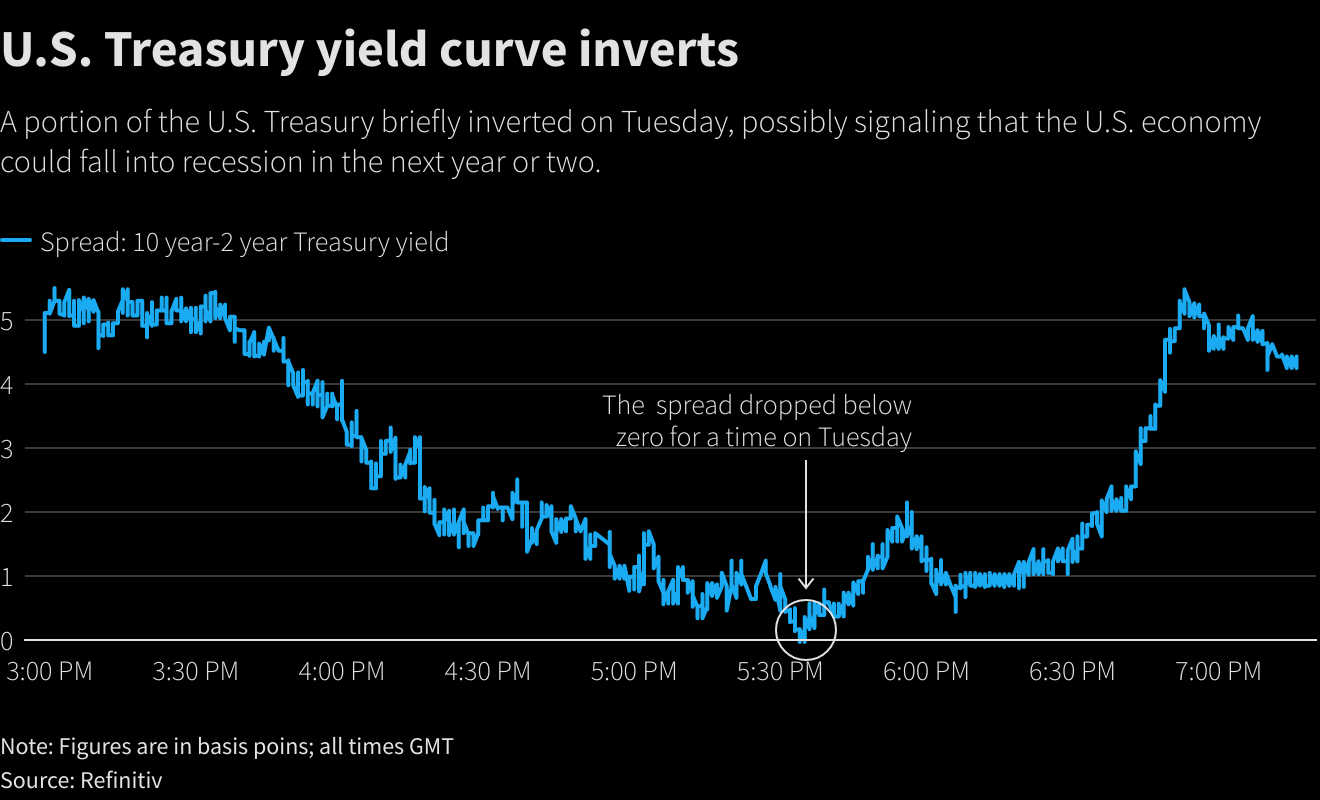
Recession warning signs—an inverted yield curve, slowing manufacturing indices, and weakening consumer confidence—began flashing red as Trump’s term progressed. His “big, beautiful economy,” as he called it, was skating on thinner and thinner ice.
The Illusion of Competence
Donald Trump’s economic presidency has been a case study in political optics over substance. His bluster, bolstered by loyalists like Peter Navarro, projected an image of strength while concealing a weak and confused policy core. The tariffs did not rebuild America. They weakened it. The stock market did not soar unimpeded. It stumbled. Allies were not drawn closer. They turned away.
The illusion is wearing thin. The emperor, long praised by sycophants and shielded by slogans, stands exposed. The cloths—if they ever existed—are gone, leaving behind the truth: a hollow economic strategy, built on false promises, and now teetering on the edge of its own contradictions.
And the rest of the world? They’re no longer buying what Trump is selling.