

The 2025 Canadian Federal Election: The Race to the Centre and the Silence on Woke Issues
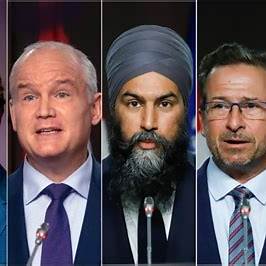
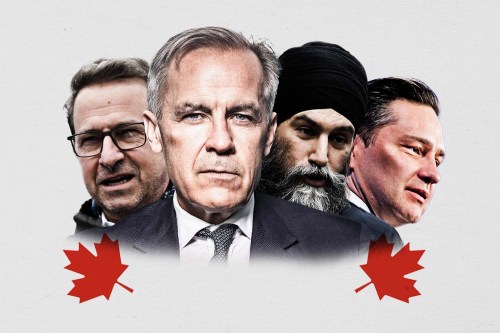
As Canada heads into the 2025 federal election, both the Liberal and Conservative parties are intensely focused on capturing the political centre—a space where elections are often won or lost. With the New Democratic Party (NDP) in steep decline and populist sentiments rising, especially following Donald Trump’s re-election in the United States, the battleground for middle-ground voters is more critical than ever.
The NDP’s Collapse
The NDP, traditionally the voice of Canada’s progressive left, is losing its electoral footing. Recent Angus Reid polling shows support for the NDP has plummeted to just 7%, with half of its 2021 voters now shifting their allegiance to the Liberals. Strategic voting is playing a role, but so too is a growing unease with the party’s focus on fringe issues at the expense of broader national concerns like economic stability, public safety, and global affairs.
The Strategic Silence on “Woke” Issues
The Liberals under Mark Carney have notably distanced themselves from polarizing progressive issues that are increasingly seen as alienating to centrist voters. Unlike previous election cycles, Carney’s team has been relatively silent on topics such as transgender participation in women’s sports, diversity-equity-inclusion (DEI) mandates in business, and the reform of educational curricula to focus on identity politics. This calculated silence appears to be a deliberate attempt to avoid the political missteps seen in the recent U.S. election, where Democrats lost crucial centrist and independent support to Trump over similar cultural flashpoints.
By not loudly catering to the ideological demands of the far left, the Liberals are positioning themselves as a party of pragmatic centrism—willing to pursue social progress without alienating moderate voters. This could prove to be a decisive factor in winning over voters who are fiscally responsible, socially moderate, and increasingly wary of ideological extremes.
Carney vs. Trump: A Sharper Contrast
What’s also sharpening the Liberal image in the eyes of the electorate is Carney’s confident handling of cross-border relations, particularly with Donald Trump. Carney has presented himself as a strong, seasoned negotiator who can stand toe-to-toe with Trump on trade, security, and energy issues. In contrast to Pierre Poilievre’s more combative populism, Carney has built a profile as a steady hand—one that appeals to voters unsettled by Trump’s unpredictability but also unwilling to support a party perceived as culturally radical.
A recent Wall Street Journal profile highlighted Carney’s effective use of nationalistic language in defending Canada’s interests, without veering into ideological populism. His removal of the carbon tax and embrace of middle-class tax cuts signal a rightward economic shift, while his silence on controversial cultural issues avoids triggering the same backlash faced by the Democrats in the U.S.
Conservatives Push a “Canada First” Agenda
Meanwhile, the Conservatives under Poilievre continue to stake out a populist agenda, pressing hard on tax reduction, energy independence, and housing affordability. Their messaging resonates with working-class and suburban voters frustrated by the rising cost of living and perceived federal overreach. However, Poilievre’s aggressive tone and focus on culture-war battles could make some centrist voters nervous, especially if they fear a further polarization of the Canadian political landscape.
The Centre: Still the Key to Victory
The fight for the centre remains the key to election victory. The issues that are resonating most among undecided and swing voters are pragmatic: economic security, trade resilience, energy independence, and public safety. Cultural battles may excite partisan bases, but they tend to push moderates toward quieter, steadier leadership.
In this context, Carney’s Liberals seem to be making an appeal reminiscent of the one Joe Biden made in 2020—focused on competence, calm, and moderation—but with a critical lesson learned from Biden’s recent loss: avoid alienating the centre with overreach on cultural issues.
The 2025 federal election is shaping up to be a referendum not just on leadership and policy, but on tone and temperament. With the NDP sidelined, and the Conservatives charging ahead with populist energy, the Liberals are quietly recalibrating their brand—less ideological, more practical, and sharply focused on the anxieties of the average Canadian.
If Carney can maintain this delicate balance—addressing national interests firmly while sidestepping divisive ideological pitfalls—the Liberals may yet recapture the centre and carry the election.