

By Greg Scott
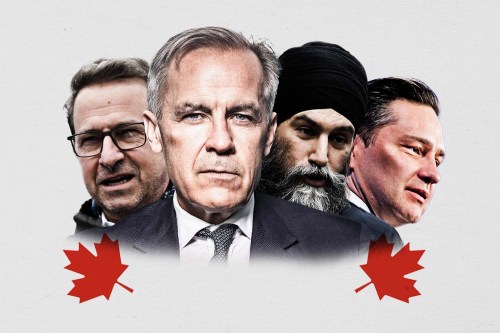
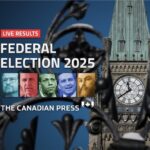
As Canada approaches its federal election on April 28, 2025, the political landscape has undergone a significant transformation. The Liberal Party, under the new leadership of Prime Minister Mark Carney, has experienced a resurgence, overtaking the Conservative Party led by Pierre Poilievre. Recent polls indicate the Liberals are leading with approximately 44% support, compared to the Conservatives’ 39%, while the New Democratic Party (NDP) trails at around 8% .
Carney’s ascent to leadership in March, following Justin Trudeau’s resignation, coincided with escalating tensions between Canada and the United States. President Donald Trump’s imposition of 25% tariffs on Canadian goods has sparked concerns over economic stability and national sovereignty. Carney, a seasoned economist and former central banker, has positioned himself as the leader best equipped to navigate these challenges, a stance that has resonated with voters seeking stability amid international uncertainty .
In contrast, Poilievre has shifted his campaign focus to domestic issues, criticizing the Liberal government’s record and what he terms a “woke agenda.” He emphasizes concerns over crime, drug policy, and economic management, aiming to redirect the national conversation away from international affairs Latest news & breaking headlines. However, this strategy faces challenges as public attention remains fixed on the implications of U.S. trade policies and their impact on Canada’s economy.
In contrast, Poilievre has shifted his campaign focus to domestic issues, criticizing the Liberal government’s record and what he terms a “woke agenda.” He emphasizes concerns over crime, drug policy, and economic management, aiming to redirect the national conversation away from international affairs Latest news & breaking headlines. However, this strategy faces challenges as public attention remains fixed on the implications of U.S. trade policies and their impact on Canada’s economy.
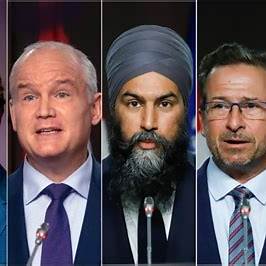
The upcoming leaders’ debates are poised to be pivotal in shaping voter perceptions. Carney will need to reinforce his image as a competent and steady leader capable of defending Canada’s interests on the global stage. Poilievre, on the other hand, must effectively articulate his vision for domestic policy and counter Carney’s narrative to regain momentum. The debates offer a critical platform for both leaders to sway undecided voters and solidify their respective bases CityNews Halifax.
As the election nears, the contest has evolved into a referendum on Canada’s direction in the face of external pressures and internal challenges. The outcome will hinge on which leader can most convincingly present a plan that addresses both the immediate concerns of Canadians and the broader questions of national identity and sovereignty.